How the food you eat affects your brain - Mia Nacamulli
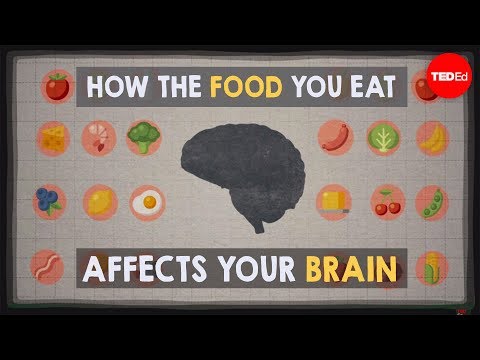
TED-Ed Published on Jun 21, 2016 When it comes to what you bite, chew and swallow, your choices have a direct and long-lasting effect on the mo...
A collection about Brains - and food, exercise
Resources
TED-Ed Published on Jun 21, 2016 When it comes to what you bite, chew and swallow, your choices have a direct and long-lasting effect on the mo...
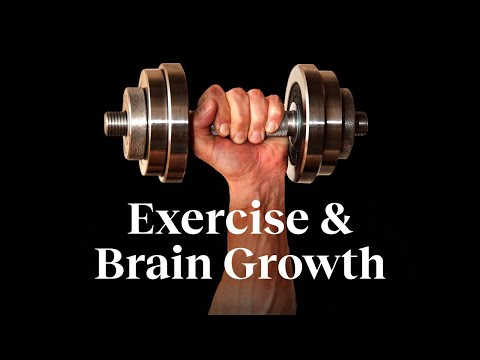
Exercise gives your brain a “bubble bath of neurochemicals,” says Wendy Suzuki, a professor of neural science.
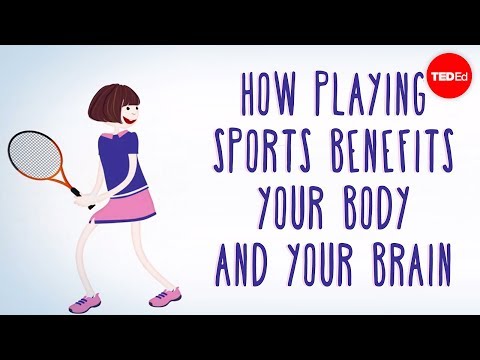
TED Ed, Made in partnership with the Always #LikeAGirl campaign. The victory of the underdog. The last minute penalty shot that wins the tour...
Thinning in brain regions important for memory linked to sedentary habits Studies show that too much sitting, like smoking, increases the risk ...
David Goggins and Dr. Andrew Huberman discuss the neuroscience of willpower and how pushing through challenges and doing what you don't want to do ...
Scientific American is the essential guide to the most awe-inspiring advances in science and technology, explaining how they change our understandi...
NY Times, 2017, "A neuropathologist has examined the brains of 111 N.F.L. players — and 110 were found to have C.T.E., the degenerative disease lin...
Exercise is as good for your brain as it is for your body, and researchers are just beginning to discover why.
A liver-to-brain biological highway, spurred into action by consistent running, is enough to substantially reverse brain aging.
Since at least the time of Greek philosophers, many writers have discovered a deep, intuitive connection between walking, thinking, and writing.
And it's not just running that brings us bliss. Research psychologist Kelly McGonigal explains how we can get it and why it exists.
Related chunks
Load chunks with related learning paths or categories.
Create
Sign in to save articles, videos, notes, and other finds.